The Missing Piece: Annesha Ghosh on Indian women's cricket and the title that would change everything
30 April 2025
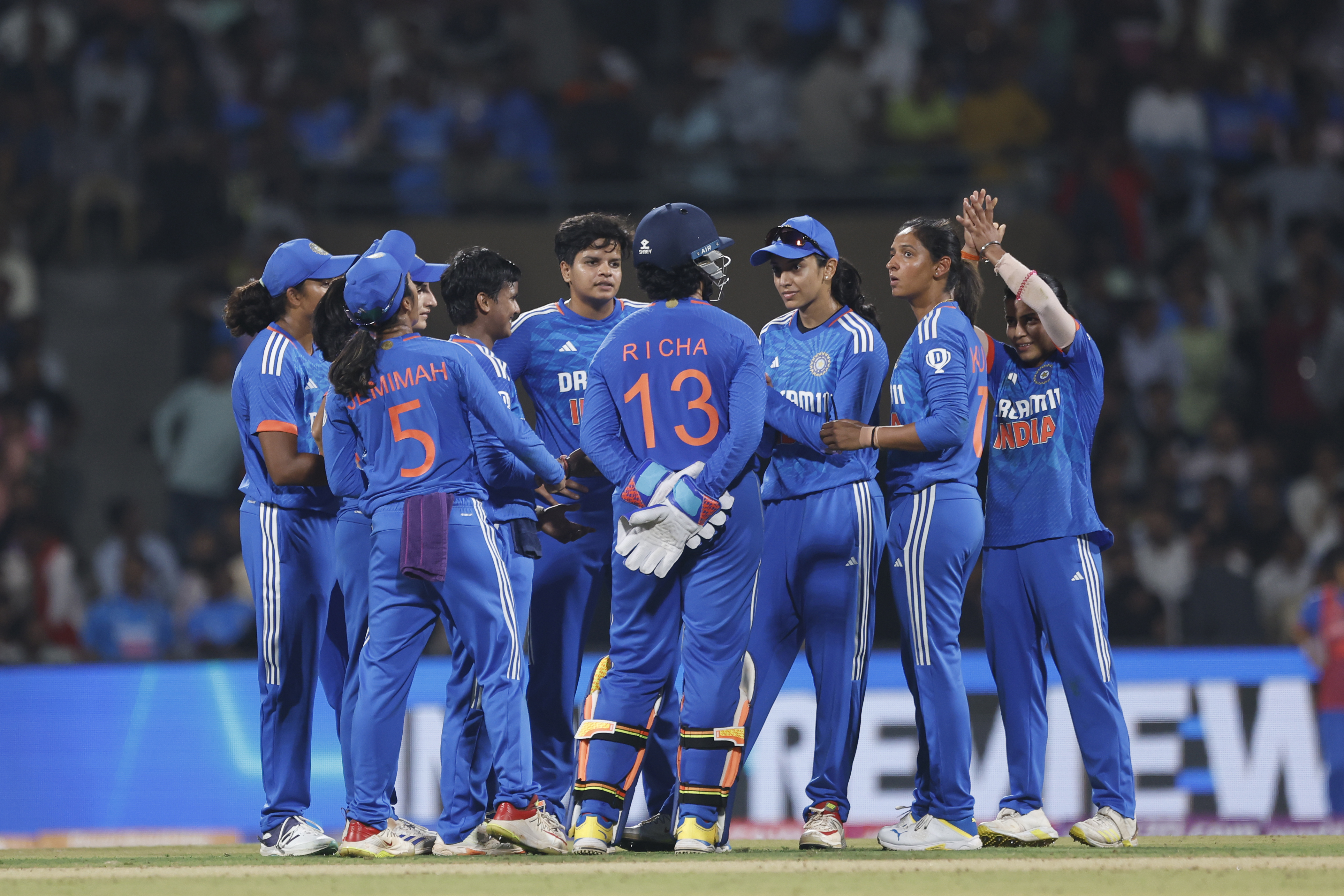
Annesha Ghosh dates the turn to a single summer. Indian women's cricket, she says, has been on the brink of something big since the 2017 ODI World Cup in England, the tournament where Smriti Mandhana, Deepti Sharma and a young side announced themselves and Harmanpreet Kaur made an unbeaten 171 against Australia that changed the game's place in the country. India lost the final to England by nine runs at a packed Lord's. The hurt of that day has shadowed everything since.
Her own career has run alongside it, from a desk at the start to covering World Cups, Commonwealth Games and two Olympics. And the pattern, she argues, keeps repeating. India consolidate their stature as challengers, reach the knockouts, come agonisingly close, and stop short. The trailblazers Mithali Raj and Jhulan Goswami retired without a world title. The current group, Harmanpreet, now in her late thirties, is carrying the same weight, and the clock is running.
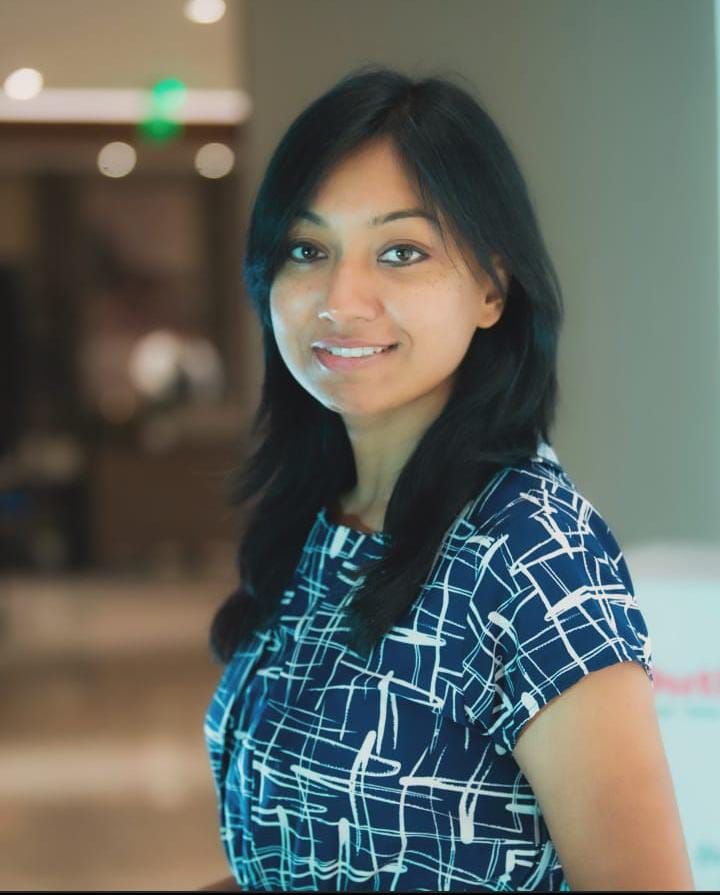
The Women's Premier League, launched in 2023, changed the economics rather than the trophy cabinet. For the first time, a parent in Kolkata or Mumbai can look at a daughter and see a viable career, contracts worth crores, academies opening girls' wings, and enrollment climbing. Ghosh calls the league's first day a red-letter date in Indian sport. The other gain is invisible from the stands: uncapped Indians sharing a dressing room with Meg Lanning, Ellyse Perry and the rest, and absorbing what serial winners know. The day India finally wins a senior world title, she says, they will owe a quiet debt to the Australians and the English who passed that knowledge on.
She is even-handed about the board. There is plenty to question, from selection calls to the choice of smaller, second-tier venues for a home World Cup, and she does not pretend otherwise. But she resists the social media reflex to cast the BCCI as simply uninterested, pointing to a league that has expanded city by city and a calendar with more method than it once had. The honest verdict is that the WPL has not yet proved India's domestic pool is deep enough; the standout uncapped players, a Kashvi Gautam striking a former international quick for boundaries, are still too few.
Everything, she believes, hinges on the home ODI World Cup. Win it, and the league expands, the ecosystem grows, broadcasters and newsrooms invest, and other women's sports in India follow the path men's leagues once took as they multiplied. Fall short again, and the questions return. The route there runs through a tour of England under a new coach, Charlotte Edwards, who knows the Indian players as intimately as her own, which is part of why Ghosh expects nothing easy.
What lifts her argument above cricket is where she takes it. India, she says plainly, is not an easy society for women; she talks about the fear that travels with her every time she leaves the house, fears born of real violence. Female athletes pushing into a space long reserved for men matters beyond sport. She reaches for Billie Jean King: if you cannot see it, you cannot be it. She watched a women's World Cup final in 2016, started playing at twenty-three, and shared a field with opponents who went on to play for India. A maiden world title, she insists, would not just complete a team. It would change what a generation of Indian girls believes is possible.